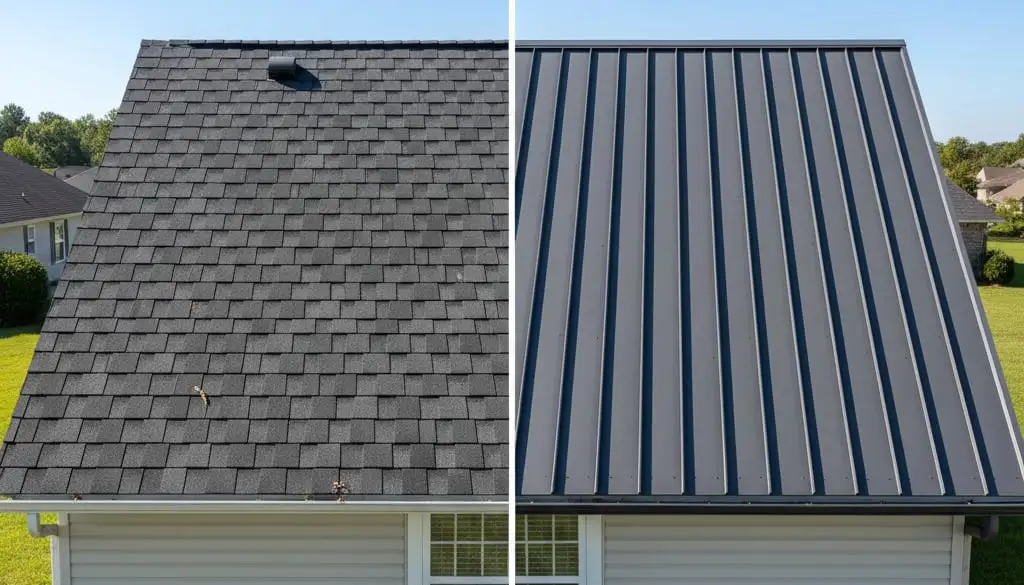
How Much Does Damaged Siding Replacement Cost in Staten Island in 2026?
April 3, 2026
When to Choose Siding Replacement vs. Repair in Staten Island
April 4, 2026
Storms in Staten Island can be unpredictable and powerful. High winds, heavy rain, hail, and flying debris can all cause serious damage to your home’s exterior. One of the most commonly affected areas is your siding.
After a storm passes, many homeowners do not immediately notice the damage. However, ignoring early warning signs can lead to costly repairs, water intrusion, and structural issues. If you are searching for storm damaged siding Staten Island signs, it is important to understand what to look for and when replacement becomes necessary.
This guide will help you identify the key signs of storm damage and determine whether your siding needs repair or full replacement.
Why Storm Damage to Siding Should Not Be Ignored
Your siding acts as the first line of defense against the elements. When it becomes damaged, your home is exposed to moisture, wind, and temperature changes.
Storm-damaged siding can lead to:
- Water infiltration behind walls
- Mold and mildew growth
- Reduced energy efficiency
- Structural damage over time
According to the National Association of Home Builders, exterior damage left untreated can significantly reduce a home’s durability and lifespan.
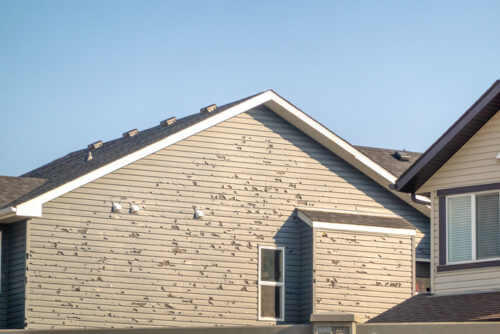
1. Visible Cracks, Holes or Impact Damage
One of the most obvious storm damaged siding Staten Island signs is physical damage caused by debris.
During storms, objects such as branches, loose materials, or hail can strike your siding and create:
- Cracks
- Holes
- Dents
- Chips in the material
Even small cracks can allow water to enter behind the siding, leading to long-term damage.
2. Warped or Loose Siding Panels
Strong winds can loosen siding panels or pull them away from the structure.
Signs to look for include:
- Panels that appear bent or warped
- Sections that are no longer flush with the wall
- Gaps between siding panels
Loose siding compromises your home’s protection and should be addressed quickly.
3. Water Stains or Moisture Inside the Home
If your siding has been damaged, water may begin to enter your home without obvious exterior signs.
Check for:
- Water stains on walls or ceilings
- Damp spots near exterior walls
- Peeling paint or bubbling drywall
The U.S. Environmental Protection Agency warns that moisture intrusion can lead to mold growth within 24–48 hours.
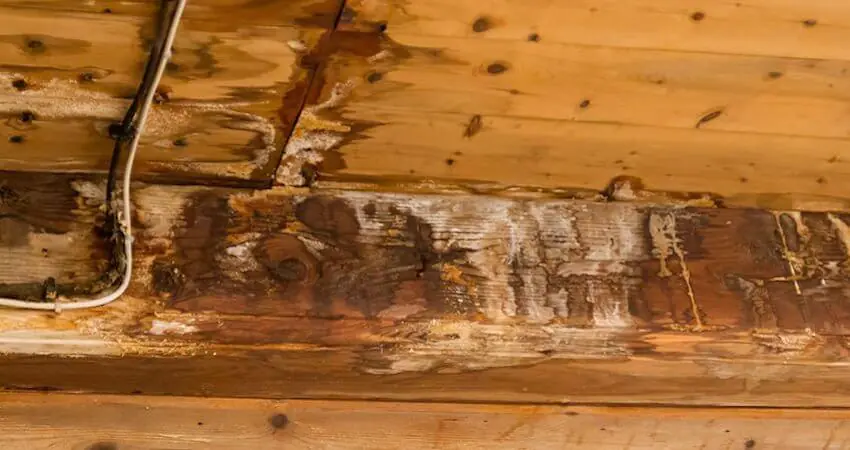
4. Mold, Mildew or Rot
Storm damage often allows moisture to get trapped behind siding.
Over time, this can lead to:
- Mold growth
- Mildew buildup
- Rotting wood beneath siding
These issues are not only structural problems but can also affect indoor air quality.
5. Increased Energy Bills
Damaged siding can impact your home’s insulation.
If your siding is no longer properly sealed, air can escape, causing your HVAC system to work harder.
This may result in:
- Higher heating costs in winter
- Increased cooling costs in summer
A sudden rise in energy bills after a storm can be a hidden sign of siding damage.
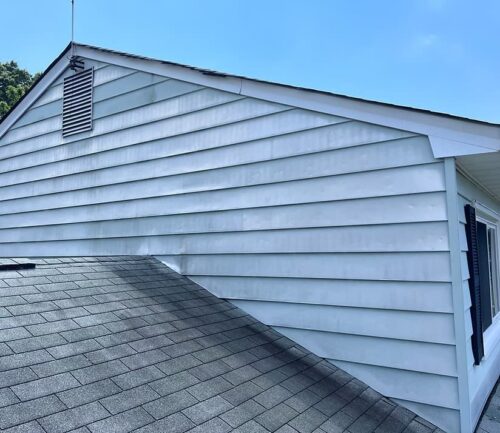
6. Fading or Discoloration
Severe weather conditions can cause siding to fade unevenly or discolor.
While this may seem like a cosmetic issue, it can indicate that the siding material has weakened and lost its protective coating.
This is especially common with older vinyl siding exposed to harsh sunlight and storms.
7. Bubbling or Blistering Surfaces
Bubbling or blistering siding is often a sign that moisture has become trapped beneath the surface.
This can occur when storm damage allows water to penetrate the outer layer of the siding.
Over time, this leads to material breakdown and requires replacement.
8. Interior Drafts or Temperature Changes
If you notice drafts near walls or inconsistent indoor temperatures, your siding may no longer be providing proper insulation.
Storm damage can create small openings that allow air to pass through, reducing your home’s energy efficiency.
When Should You Replace Storm Damaged Siding?
Not all siding damage requires full replacement, but there are situations where replacement is the best option.
You should consider siding replacement if:
- Damage is widespread across multiple areas
- Water has penetrated behind the siding
- Mold or rot is present
- The siding is older and deteriorating
- Repairs are becoming frequent
A professional inspection can determine whether repair or replacement is the better solution.
What to Do After Discovering Storm Damage
If you notice any of these storm damaged siding Staten Island signs, take action immediately.
Inspect Your Property Safely
Check your siding from the ground and avoid climbing during unsafe conditions.
Document the Damage
Take photos of visible damage for insurance purposes.
Contact Your Insurance Provider
Storm damage may be covered under your homeowner’s insurance policy.
Call a Professional Contractor
A qualified contractor can assess the damage and recommend the best solution.
If you need expert help, you can learn more here:
https://bestroofcontracting.com/professional-roof-repairing/
How Professionals Handle Storm Damaged Siding
When you hire a contractor, they typically follow these steps:
Inspection
A detailed assessment of visible and hidden damage.
Damage Evaluation
Determining whether repair or full replacement is needed.
Material Matching or Replacement
Matching existing siding or installing new materials.
Sealing and Protection
Ensuring your home is fully protected against future weather damage.
How to Prevent Future Storm Damage
While storms cannot be avoided, you can reduce the risk of damage.
Regular Inspections
Check your siding at least once a year.
Trim Nearby Trees
Prevent branches from hitting your home during storms.
Upgrade Materials
Consider more durable siding options such as fiber cement.
Maintain Proper Drainage
Ensure gutters and downspouts direct water away from your home.
Final Thoughts
Storm damage can compromise your home’s protection without always being immediately visible. Recognizing the early storm damaged siding Staten Island signs is essential to preventing costly repairs and long-term structural issues.
From cracks and loose panels to hidden moisture and rising energy bills, these warning signs should never be ignored. Acting quickly and consulting a professional contractor ensures your home remains safe, efficient, and protected from future weather conditions.