
Complete Guide to Roof Repair in Staten Island: Signs, Costs and When to Call a Contractor
March 16, 2026How to Choose the Best Residential Roof Repair Contractor in Staten Island
March 17, 2026A leaking roof is one of the most stressful problems a homeowner can face. Water entering your home can quickly damage ceilings, walls, insulation, and even the structural components of your property. In coastal areas like Staten Island, sudden storms, strong winds, and winter ice can cause roof damage without warning.
When a leak appears unexpectedly, many homeowners begin searching for emergency leaking roof repair in Staten Island. While professional roof repair is always necessary to fix the issue permanently, there are important steps you can take immediately to reduce damage until a contractor arrives.
This guide explains what causes emergency roof leaks, how to protect your home temporarily, and when to contact a professional roofing contractor.
Why Emergency Roof Leaks Are Common in Staten Island
Staten Island homes experience a variety of weather conditions that can weaken roofing systems over time. Strong winds, heavy rainfall, snow accumulation, and freeze-thaw cycles can all contribute to roof leaks.
According to the National Weather Service, coastal areas of New York frequently experience storms and high winds that can damage roofing materials.
Because of these weather conditions, emergency roof leaks are not uncommon in Staten Island homes, especially during winter storms and heavy rainfall.

Common Causes of Emergency Roof Leaks
Understanding what causes roof leaks can help homeowners identify the problem faster and take the right action.
Storm Damage
High winds can lift or tear shingles, leaving sections of your roof exposed to water infiltration. Debris such as tree branches can also puncture roofing materials.
Storm damage is one of the most common reasons homeowners require emergency leaking roof repair in Staten Island.
Damaged or Missing Shingles
Shingles act as the first protective layer of your roof. When they become cracked, curled, or missing, water can easily penetrate the roof structure.
Over time, aging shingles may lose their protective granules, making them more vulnerable to damage.
Broken Flashing
Flashing is installed around chimneys, vents, and skylights to prevent water from entering vulnerable roof areas. If flashing becomes loose or damaged, water can seep into the roofing system.
The National Roofing Contractors Association highlights flashing failure as one of the most common sources of roof leaks.
Ice Dams in Winter
Ice dams occur when snow melts on the roof and refreezes at the edges, forcing water back under the shingles.
The U.S. Department of Energy explains how ice dams form and why they can cause serious roof leaks. Ice dams are particularly common during cold winters in New York.
Immediate Steps to Take When Your Roof Starts Leaking
If your roof begins leaking suddenly, acting quickly can reduce damage to your home.
1. Protect the Interior of Your Home
The first step is to minimize interior water damage.
Move furniture, electronics, and valuables away from the leaking area. Place buckets or containers under the leak to collect dripping water.
You may also want to place towels or plastic sheeting around the area to prevent water from spreading across the floor.
2. Relieve Water Pressure in the Ceiling
Sometimes water accumulates above the ceiling before it begins dripping.
If you notice a bulging area in the ceiling, it may contain trapped water. Carefully puncturing the center of the bulge with a small tool can allow the water to drain into a bucket instead of spreading across the ceiling.
This helps prevent the ceiling from collapsing due to water pressure.
3. Locate the Source of the Leak
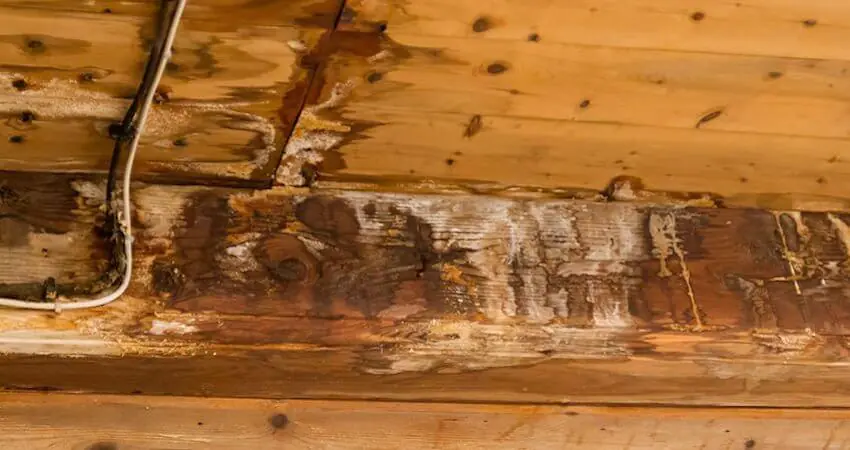
Roof leaks do not always appear directly beneath the damaged area. Water can travel along beams and insulation before becoming visible.
Check areas such as:
-
Attic spaces
-
Roof vents
-
Chimney bases
-
Skylights
Locating the approximate source can help the roofing contractor diagnose the issue more quickly.
4. Use a Temporary Tarp if Possible
If it is safe to access the roof, placing a waterproof tarp over the damaged section can temporarily stop water from entering your home.
However, climbing onto a roof during a storm or when surfaces are wet can be dangerous. If conditions are unsafe, it is best to wait for professional help.
5. Contact a Roofing Professional Immediately
Temporary solutions can reduce damage, but they do not fix the problem permanently.
Professional roofers have the experience and equipment necessary to safely diagnose and repair roofing issues.
If you need reliable help, you can learn more about professional services here: https://bestroofcontracting.com/professional-roof-repairing/
Experienced roofing contractors can quickly identify the cause of the leak and perform the necessary repairs.
What Happens During Emergency Roof Repair
When a roofing contractor arrives to perform emergency leaking roof repair in Staten Island, they typically follow several steps.
Roof Inspection
The contractor first performs a thorough inspection to locate the exact source of the leak.
This may involve examining shingles, flashing, vents, and roof valleys.
Temporary Protection
If weather conditions prevent immediate repairs, contractors may install temporary protective measures such as tarps or sealants.
This prevents further water damage until permanent repairs can be completed.
Permanent Repair
Once the problem area is identified, the contractor repairs or replaces the damaged materials.
This may involve:
-
Replacing shingles
-
Repairing flashing
-
Sealing roof penetrations
-
Fixing damaged roof decking
The goal is to restore the roof’s waterproof barrier and prevent future leaks.
How Much Does Emergency Roof Leak Repair Cost?
The cost of emergency leaking roof repair in Staten Island varies depending on the severity of the damage.
Typical emergency repair costs include:
-
Minor leak repairs: $350 – $700
-
Moderate repairs: $700 – $1,500
-
Major repairs: $1,500 – $4,000+
The final cost depends on the roofing material, the size of the damaged area, and the complexity of the repair.

How to Prevent Emergency Roof Leaks
While some roofing emergencies cannot be avoided, regular maintenance can significantly reduce the risk.
Homeowners should consider the following preventative steps:
Schedule Annual Roof Inspections
Professional inspections help identify small problems before they become serious leaks.
Keep Gutters Clean
Clogged gutters can cause water to back up onto the roof.
Remove Debris After Storms
Branches and debris can damage shingles and flashing.
Maintain Proper Attic Ventilation
Proper ventilation helps prevent moisture buildup and ice dams.
Taking these preventative measures can extend the lifespan of your roof and reduce the likelihood of unexpected leaks.
Final Thoughts
Roof leaks can happen suddenly, especially in regions like Staten Island where storms and seasonal weather conditions put constant stress on roofing systems. Acting quickly when a leak occurs can minimize water damage and protect your home’s structure.
Understanding what causes leaks and knowing the steps to take before professional help arrives can make a major difference. Temporary solutions can reduce immediate damage, but permanent repairs should always be handled by experienced roofing contractors.
If your home experiences a sudden leak, seeking emergency leaking roof repair in Staten Island as soon as possible is the best way to protect your property and restore the integrity of your roof.